

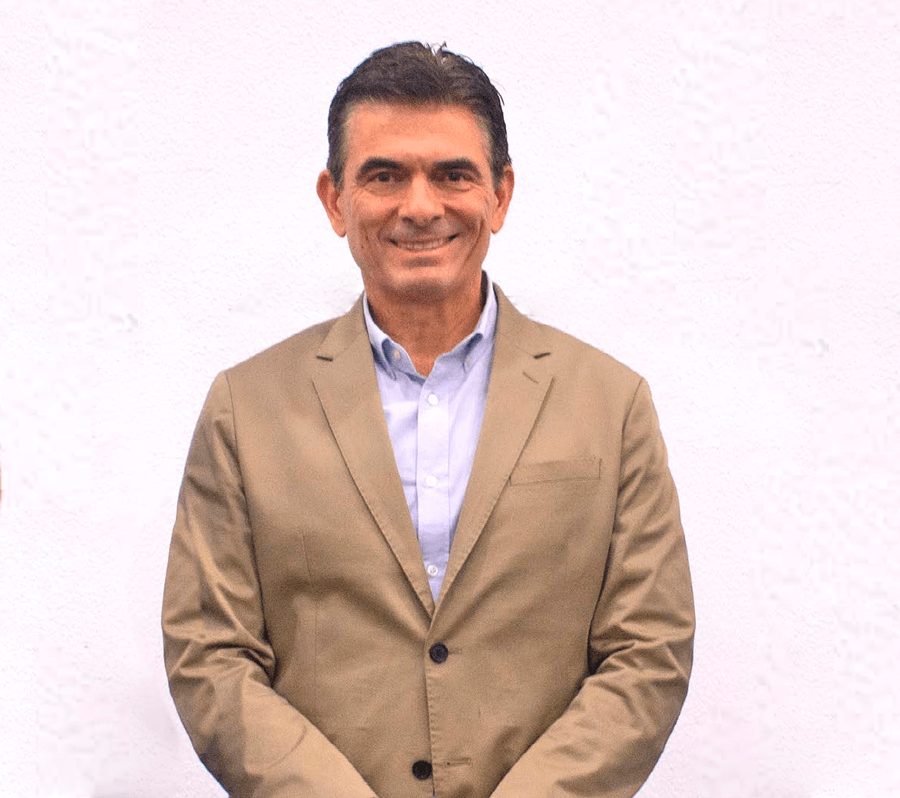
RODRIGO PAZ PEREIRA: “we propose smart energy capitalism”
He argues that this means promoting a genuine energy transition by encouraging private, community, and academic investments in micro-hydroelectric, solar, and wind energy, as well as in the carbon credit market.
ISSUE 144 | 2025
Presidential Forum Bolivia 2025: Energy, Economy and Future (*)
1What reforms do you propose for the hydrocarbons sector in light of the decline in natural gas production and exports?
We propose reforms that view the hydrocarbons sector as a medium and long term process that transcends government cycles. For this, we suggest: expanding private sector participation under a model of "smart energy capitalism" that includes shared risk, transparent state control, and real legal certainty; modifying Law 3058; establishing a flexible fiscal framework with incentives and exceptions; and creating an investment fund to guarantee exploration and reserve recovery, including incentives for mature fields.
We understand that gas will remain relevant for at least another 2025 years, so it is urgent to reinvest in this resource to ensure reserves that sustain markets and exports. The State must stop being an obstacle and become a facilitator of sustainable energy development.
2What is your position on the subsidy and importation of fuels? Would you eliminate it, reduce it, or maintain the current model?
Our position is clear: the current subsidy must be deeply restructured, as it fuels smuggling and corruption, which currently drains around $1.5 billion annually, harming the most vulnerable sectors.
We propose to:
• Cut off those flows toward smuggling and corruption and redirect the nearly $4 billion annual spending toward productive infrastructure, following a model similar to Uruguay’s;
• Maintain a minimal subsidy cushion ($500–600 million) exclusively to protect the most vulnerable sectors during this recovery phase;
• Open up free fuel imports to promote competition and supply efficiency;
• Redirect the subsidy logic to drive structural change, such as promoting the shift to electric vehicles with over 100,000 units and 1,000 solar charging stations.
In short, gradually eliminate the massive and distortive subsidy, preserve targeted support for the most vulnerable, and use those resources to transform the country’s productive and energy matrix.
3 What strategy do you have to promote a genuine transition to renewable energies without compromising energy security, involving the private sector and academia?
The main problem is not just technical or legal, but political and institutional: the Bolivian state has become a “barrier state” that hinders rather than facilitates development. Without real political will, any legal or technical reform will be just talk.
The next president must govern to transform, without seeking reelection. Only then will national interests be prioritized over personal ones. Political certainty begins with leadership that understands it has five years to implement changes and then step aside. Structural reforms and an enabling state are essential: we must move from a state that obstructs to one that enables, promoting investment and energy innovation by eliminating bureaucratic and political barriers.
In this context, we propose a green revolution and smart energy capitalism: we aim to drive a real energy transition by promoting private, community, and university investments in micro-hydroelectric, solar, and wind energy, as well as in the carbon credit market. For example, municipalities like Charagua could earn millions through green projects.
We must urgently offer tax incentives and remove ideological bias: green initiatives in Bolivia are highly profitable if done right. We will facilitate tax breaks and access to financing for anyone willing to invest in renewables without turning it into an ideological debate.
In summary, we need a new clean-energy model with broad participation and clear rules but above all, political leadership with the will to put the country first. Without that, any proposal is mere rhetoric.
4What is your plan to exploit lithium and other strategic resources with added value, including water management, in the context of current geopolitical tensions?
We propose a 50-50 model in which regions like Potosí participate actively and receive clear benefits, ensuring consensus and sustainable national development.
To exploit lithium with added value, we will promote:
• Legal certainty and clear rules to attract private investment and create value chains;
• A facilitating state that promotes public-private partnerships and builds trust;
• Regional integration with neighboring countries (Argentina, Chile, Brazil, Peru, Paraguay) to boost lithium in a strategic geopolitical framework;
• Human capital development and responsible water use to ensure sustainability.
In this way, lithium can become an economic and social driver, supporting balanced development that benefits Bolivia and its regions.
5How will you attract new foreign direct investment for energy exploration and technology renewal under a shared-risk scheme?
That’s the hardest question, isn’t it? Who believes in us? Who believes in Bolivia?
To attract foreign direct investment in energy exploration and technology under shared risk, the first step is to rebuild trust by guaranteeing true legal certainty not only for foreign investors but also for Bolivian entrepreneurs.
We propose creating a high-level commission of national and international experts to define clear rules, streamline processes, and eliminate red tape.
We will be allies of productive investment, offering guarantees, tax incentives, and long-term stability, while being firm against speculation. Only then can Bolivia become attractive again to capital that generates employment and development.
6What role do you assign to ENDE, YPFB, and other state-owned companies in the country's new energy model?
ENDE, YPFB, and other state companies must be transformed into pillars of national development and even international players but that requires deep change. First, they must stop being the petty cash of political parties. They need real autonomy, professional management, independent audits, and maximum transparency.
Additionally, it is essential they open up to private investment by promoting public-private partnerships that enhance their efficiency and competitiveness, with the State ensuring balance and benefits for Bolivians. For example, ENDE must lead a shift in the energy matrix, leveraging our vast potential to generate electricity, supply the country, and export to five borders.
Finally, the new model must ensure regional participation in benefits, thus strengthening local support for investments. All this requires, above all, political will and a long-term vision to overcome the "barrier state" that has hindered development over the past 20 years.
7 What role should Bolivia play in the climate change agenda and international cooperation for sustainable development?
Bolivia must take a leading role in the global climate change agenda and international cooperation for sustainable development, leveraging its vast natural reserves. We could mobilize up to $25 billion over 25 years through carbon credits just by preserving 40% of our forests generating income equal to or greater than that from gas, but sustainably.
That’s why we propose building national awareness of the value of “green gold,” encouraging regional participation in these benefits, and making Bolivia a global leader with a “green government” that places environmental care at the core of its domestic and international policies.

“We propose creating a high-level commission, with national and international experts, to define clear rules, simplify procedures, and eliminate bureaucracy…”
(*) The Presidential Forum Bolivia 2025: Energy, Economy and Future was organized by the National College of Economists of Bolivia (CNEB), the Private University of Santa Cruz de la Sierra (UPSA), and ENERGÍABolivia magazine, part of Grupo CECAL S.R.L.. It was held on June 27, 2025.